Exterior Painting Definition and Application Workflow
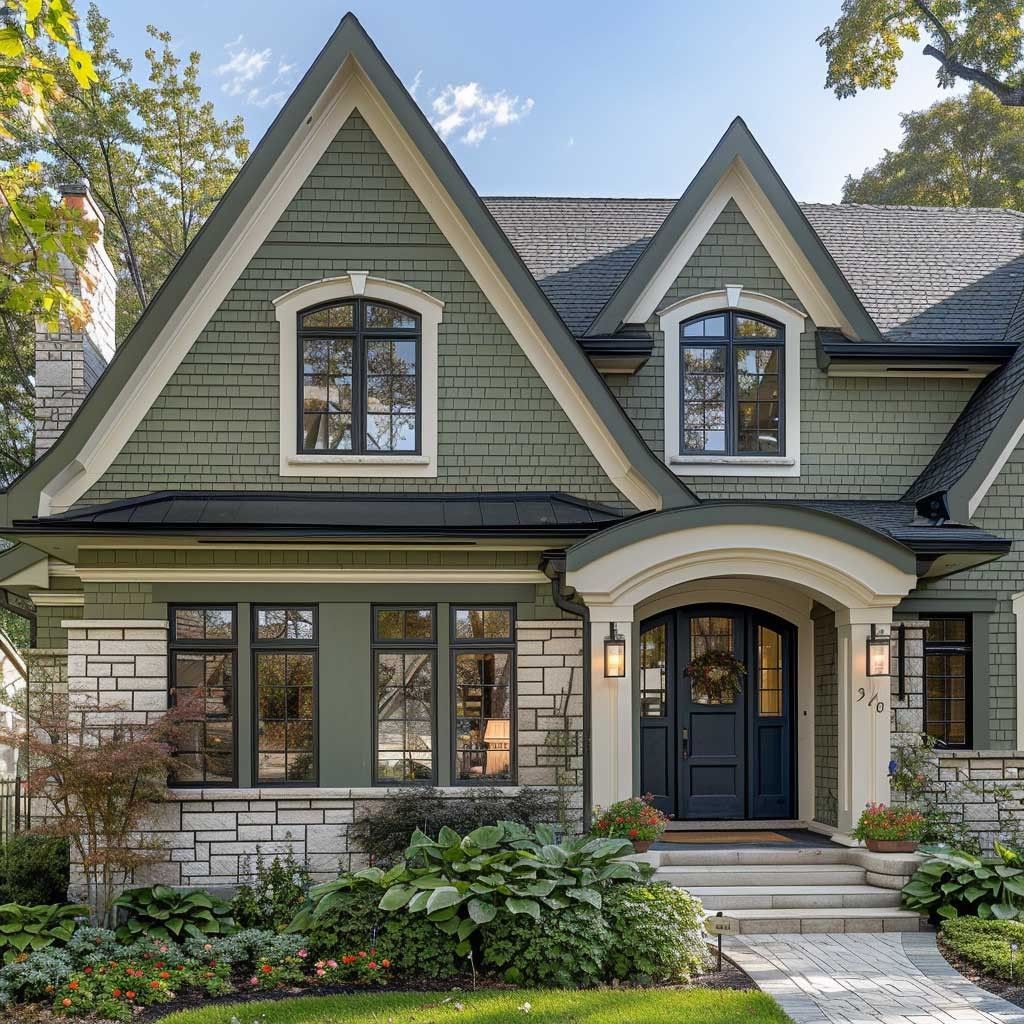
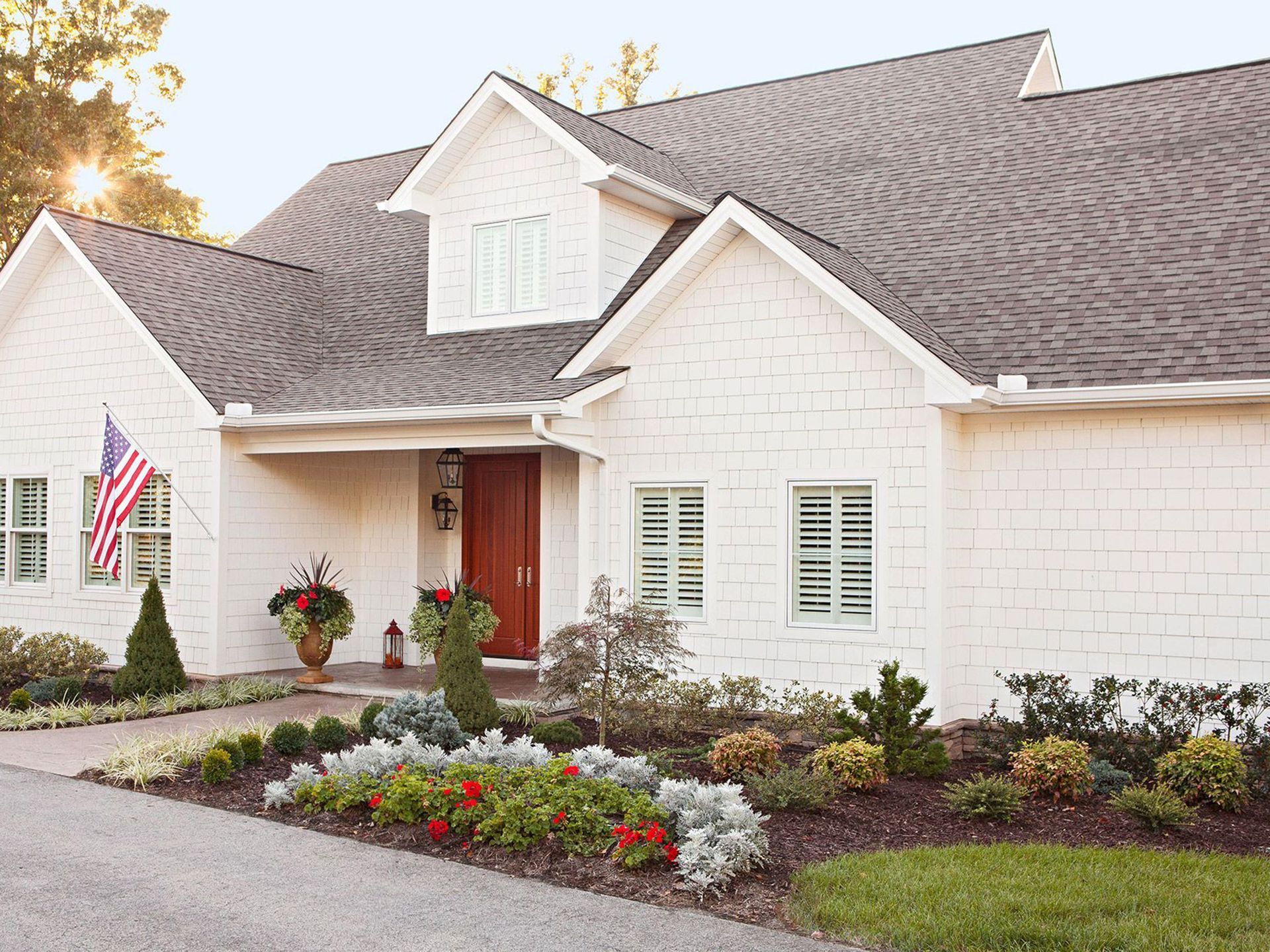
Exterior painting refers to the structured application of protective coatings designed to shield surfaces from environmental exposure while maintaining a consistent finish. At VanValkenburg Wallcovering & Painting in Bangor, ME, the process begins with a full surface inspection to detect peeling layers, moisture impact, or structural imperfections. Preparation includes cleaning, scraping, sanding, and sealing to create a stable base for coating adhesion.
Primer is applied to improve bonding strength and enhance the performance of the topcoat. Paint selection is based on environmental conditions such as humidity, UV exposure, and temperature variation. Application techniques are carefully controlled to ensure even distribution and proper film thickness.
Edges, joints, and transitions are treated with attention to prevent premature wear or failure. Drying and curing times are monitored to allow coatings to set properly and achieve durability. This process helps reduce surface deterioration and supports long-term finish retention.
By combining preparation, material compatibility, and controlled application, the coating system is able to perform effectively under changing outdoor conditions while maintaining a uniform appearance. Periodic assessment after application helps identify early wear, ensuring timely touch-ups and sustained coating integrity over extended service life.
What We Do
Service Highlights and Functional Value
Wallcovering and painting services contribute to maintaining structural surfaces while improving coating longevity. At VanValkenburg Wallcovering & Painting, each stage is carried out with careful planning and execution to support long-term performance.
•🔍Condition Review:
Thorough inspection detects surface flaws before coating begins.
•🧴Primer Integration:
Base layers improve adhesion and stabilize the surface.
•🎯Application Control:
Consistent techniques ensure even coating distribution.
•🌡️Climate Adaptation:
Coatings are selected based on environmental exposure factors.
•🧽Surface Correction:
Repairs and smoothing reduce the risk of coating failure.
Surface preparation reduces issues like bubbling or peeling, while proper coating selection ensures compatibility with existing materials. Consistent application methods help maintain uniform color and texture, reducing the need for frequent touch-ups. These services also help protect surfaces from environmental stress such as moisture and temperature changes. Maintaining coating integrity supports durability and reduces long-term upkeep requirements. For service coordination in Bangor, ME, contact (207) 306-7767. Additional inspections and timely refinishing help extend coating life, ensuring surfaces remain stable, visually consistent, and protected from gradual environmental wear and material breakdown.
Why Choose Us
Wallcovering Installation Definition and Process
Wallcovering installation involves the application of decorative and protective materials to prepared surfaces using controlled alignment and adhesion techniques. At VanValkenburg Wallcovering & Painting, the process starts with evaluating wall conditions to identify uneven areas, cracks, or residue that may affect adhesion. Surface preparation includes patching, sanding, and cleaning to ensure a smooth base.
Adhesive selection is matched to the material type to support proper bonding and flexibility. Layout planning is performed to align patterns and maintain visual consistency. Each panel is carefully positioned and applied to minimize air pockets and ensure a tight seal.
Trimming and edge detailing are completed with accuracy to create clean transitions around corners and fixtures. Environmental factors such as humidity are monitored during installation to maintain stability. This process ensures the wallcovering remains securely in place while preserving its finish over time. Proper curing and inspection further confirm alignment accuracy, adhesion strength, and long-term surface performance across varying conditions. Routine maintenance guidance helps extend durability, while proper handling reduces wear, lifting, and surface damage over time. Periodic checks help maintain adhesion quality and prevent early material separation.